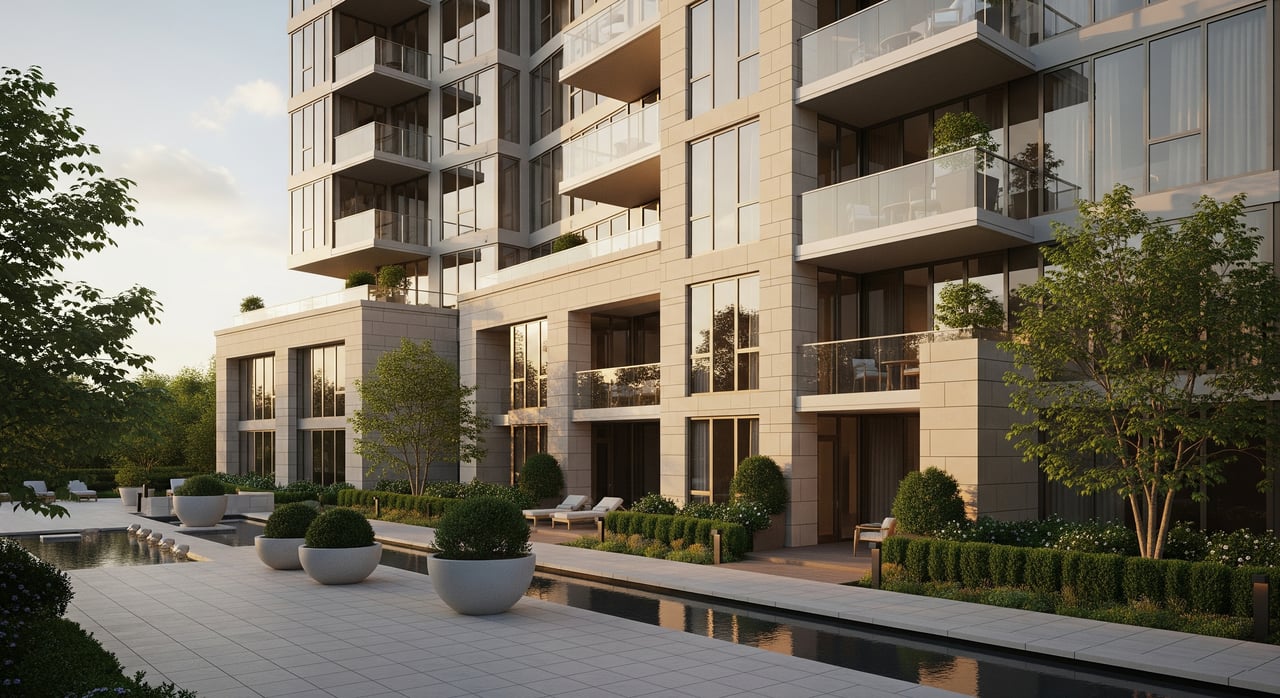
Shopping for a luxury condo in Bethesda can feel like comparing apples to oranges. Buildings look similar from the street, yet the service level, HOA rules, and walkability can change your daily life and long-term resale. If you are moving up or downsizing, you want a clear, objective way to compare your top options. This guide gives you a simple framework, a side-by-side template, and a tour checklist so you can choose with confidence. Let’s dive in.
How luxury buildings differ
Not all Bethesda luxury condos are built for the same lifestyle. Understanding building type helps you predict HOA fees, services, and resale dynamics.
- Full-service high-rise: Concierge or doorman, on-site staff, robust amenities, and covered parking. Great if you want turnkey living and security.
- Boutique conversion: Fewer units and fewer amenities, often larger rooms and lower fees. Expect less staff support.
- New-construction tower: Modern systems, high-end finishes, warranty window, and often higher HOA dues due to expanded amenities.
- Low-rise or townhome-style condo: Private entrances and multi-level floor plans with condo ownership structure.
- 55+ luxury community: Age-restricted governance and amenities tailored to active adults. Understand resale rules before you commit.
What to compare first
Use these categories to keep your search grounded in facts instead of marketing language.
Amenities and services
Amenities only matter if they are well-run and well-funded.
- Check presence and quality: concierge hours, fitness equipment age, pool condition, package rooms, guest suites, storage, and bike rooms.
- Confirm usage rules: reservation policies, hours, and any extra fees.
- Ask about capital plans: when major amenities were last updated and how future replacements are funded.
Finishes and mechanicals
Unit-level quality drives comfort and maintenance costs.
- Note kitchen and bath materials, appliance brands and ages, and flooring type.
- Clarify HVAC setup: individual systems vs. central plant and any replacement timelines.
- Ask about windows and soundproofing, elevator count and condition, and electrical capacity for EV charging.
Floor plans and inventory
Layout dictates livability and resale appeal.
- Identify typical sizes and bed/bath mixes; look for in-unit laundry and storage.
- Assess closet space and primary suite design.
- Review how many units sell per year, median days on market, and price bands to gauge liquidity.
Walkability and transit
Bethesda’s downtown and Bethesda Row areas are highly walkable and bikeable. Proximity to the Red Line, Bethesda Metro, restaurants, grocery, and the Capital Crescent Trail matters for a car-light lifestyle.
- Note time on foot to Metro and daily destinations.
- Balance walkability with parking availability and cost.
HOA fees, reserves, and rules
The HOA’s financial health is central to risk management.
- Compare monthly dues and calculate a per-square-foot fee to normalize across sizes.
- Confirm what dues include and review reserve studies, special assessment history, and insurance.
- Ask about pet rules, leasing policies, and any age restrictions.
Resale and buyer pool
Liquidity varies by building size and resident mix.
- Track owner-occupancy rate, investor ratio, and annual sales volume.
- Understand how the building’s services and location attract different buyers.
How to build your Bethesda shortlist
Follow this step-by-step process to assemble a focused set of candidates that fit your needs.
- Filter active and recent listings for Bethesda at your target price range, bed/bath count, and amenity needs such as concierge or pool.
- Prioritize proximity to Bethesda Metro and Bethesda Row for walkability, especially if you want a car-light lifestyle.
- Pull recent 12 to 24-month sold data per building to understand price ranges, days on market, and turnover.
- Request HOA documents for each candidate, including the resale packet, reserve study, audited financials, and board meeting minutes.
- Keep the top four to six buildings that best match your space, finishes, HOA health, and pet or leasing rules.
Side-by-side comparison template
Use this template to keep your research consistent. Fill one row per building you are considering.
| Building name |
Type |
Year built/units |
Avg unit size |
Price range (sold) |
Monthly HOA (typical) |
Key amenities |
Walkability/Metro |
HOA notes/flags |
Ideal buyer fit |
| Candidate 1 |
Full-service high-rise |
To research |
To research |
To research |
To research |
Concierge, fitness, garage, pool |
Minutes to Metro |
Reserves, assessments |
Turnkey, staffed living |
| Candidate 2 |
Boutique conversion |
To research |
To research |
To research |
To research |
Limited amenities, storage |
Walkable core |
Low fees, fewer services |
Larger rooms, quiet building |
| Candidate 3 |
New tower |
To research |
To research |
To research |
To research |
Modern gym, rooftop, package room |
Central location |
Higher dues, modern systems |
Latest finishes, warranty period |
| Candidate 4 |
Low-rise/townhome |
To research |
To research |
To research |
To research |
Private entry, garage |
Near retail |
Smaller HOA, rules vary |
Multi-level plan, privacy |
| Candidate 5 |
55+ luxury |
To research |
To research |
To research |
To research |
Clubroom, fitness, programming |
Near services |
Age rules, leasing limits |
Active-adult amenities |
Why this matters: a neutral, side-by-side view makes tradeoffs clear and reduces surprises during diligence and appraisals.
How to use this shortlist on tours
Bring this checklist when you tour with your advisor so you leave each building with the same facts.
Building-level questions
- Is there on-site staff or a resident manager? What are the hours and emergency procedures?
- Can you share the latest resale packet, reserve study, audited financials, and recent board minutes?
- Any recent or planned special assessments? Purpose and amount?
- What is the owner-occupancy rate and rental cap, if any?
- Ages and replacement plans for major systems such as roof, boilers, chillers, and elevators?
- Rules about renovations, appliance types, windows, and balcony enclosures?
Unit-level inspection questions
- Verified square footage and measurement method?
- Ages of HVAC, water heater, and appliances and whether warranties transfer?
- Sound between units and any history of noise complaints?
- How storage and parking are assigned or deeded and whether parking waitlists exist?
- Which finishes are original vs. renovated and the brands used?
Lifestyle questions
- Visitor parking and valet or guest parking options?
- Package handling and secure storage for deliveries?
- On-site community spaces and reservation rules for lounges or guest suites?
Financing and closing questions
- Any lending restrictions or building certifications to be aware of?
- Whether FHA or VA approvals are relevant to your plan and timeline?
- Typical HOA requirements and timing at closing?
Common Bethesda tradeoffs
Bethesda is a major suburban center along the Red Line with strong retail, dining, and cultural access. The Capital Crescent Trail is a key perk for walkers and cyclists. Large employment anchors like NIH and Walter Reed influence condo demand and weekday rhythms.
- Walkability vs. parking: Buildings closest to Bethesda Row and Metro often command higher prices and may have limited or premium parking options. Decide how many cars you need and what you will pay monthly or upfront for parking.
- New construction vs. resale: New towers offer modern amenities and systems, with higher HOA dues and fewer pricing concessions. Resale buildings offer an established track record and clearer HOA history, sometimes with larger rooms.
- Pricing expectations: Central Bethesda luxury condos typically trade at a premium compared to nearby suburbs due to transit and retail access. Expect a wide range from renovated one-bedrooms to expansive multi-bedroom residences.
Read HOA fees like a pro
A simple way to compare fees across very different units is to calculate the monthly HOA fee per square foot. Then ask what is included such as water, gas, cable, or reserve contributions. Review the reserve study to see if the savings plan matches the building’s upcoming capital needs and confirm any assessments in the last few years.
Red flags to avoid
- No recent reserve study or audited financials
- Repeated or large special assessments without clear cause
- Active litigation involving the HOA
- Very low owner-occupancy or high investor ratios
- Unclear or shifting parking assignments
Next steps
You do not need to guess your way through building documents or market data. If you want a curated shortlist, complete HOA reviews, and a confident offer strategy, connect with Nelson Marban for tailored, neighborhood-led representation.
FAQs
What defines a luxury condo in Bethesda?
- Luxury buildings typically deliver high-quality finishes, a strong service profile such as concierge, robust amenities, and a prime location near Metro, retail, and parks.
How do I compare amenities across buildings?
- Check presence, hours, condition, reservation rules, and how replacements are funded in the reserves. A well-maintained smaller set of amenities can be better than many underfunded ones.
How close should I be to Bethesda Metro for car-light living?
- Many buyers aim for a comfortable walk to the Red Line plus quick access to Bethesda Row and daily needs. Balance that with your parking needs and budget.
Which HOA documents should I review before making an offer?
- Ask for the resale packet, latest reserve study, audited financials, insurance summary, board minutes, and rules on pets, leasing, renovations, and parking.
How do special assessments affect me as a buyer?
- Assessments add to ownership costs and can signal deferred maintenance. Understand the reason, amount, and whether the project improves long-term value.
Is a new tower always better than an older boutique building?
- Not always. New towers offer modern systems and amenities with higher dues. Older boutique buildings may deliver larger rooms and lower fees, but verify capital plans and liquidity.
How can a local advisor improve my outcome?
- A local advisor can build a tailored shortlist, surface off-market options, verify HOA health, and negotiate terms that protect you through inspections and closing.