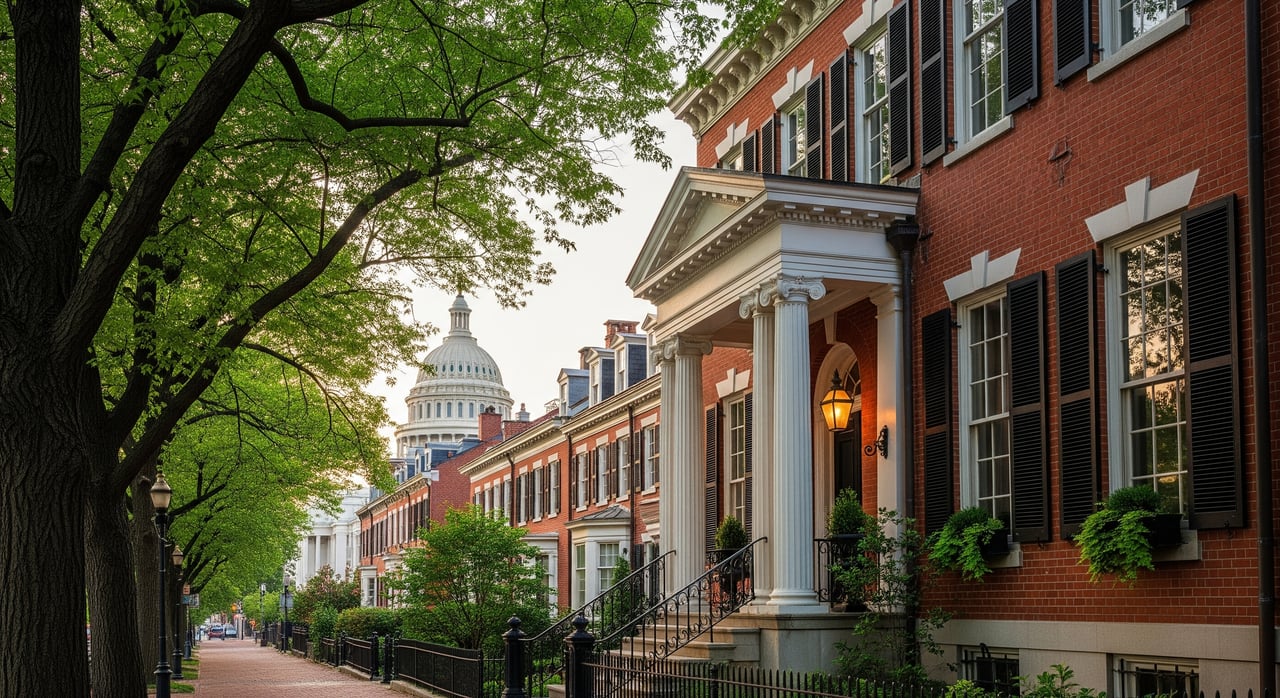
Thinking about replacing windows, rebuilding a stoop, or adding a rear addition to your Capitol Hill rowhouse? In a local historic district, even small exterior changes can trigger review, and the rules can feel complex at first. You want to upgrade your home without surprises, delays, or costly do‑overs. In this guide, you’ll learn what needs approval, how the process works, practical design approaches that get a yes, and how to avoid common pitfalls. Let’s dive in.
How historic review works in Capitol Hill
Owning in the Capitol Hill Historic District means exterior changes that are visible from public space are subject to preservation review. Day-to-day review is handled by the DC Historic Preservation Office, and larger or more complex cases go to the Historic Preservation Review Board in a public hearing. You will still coordinate with the DC Department of Buildings for permits and inspections.
Key players you may interact with include:
- DC Historic Preservation Office staff for guidance and staff approvals.
- Historic Preservation Review Board for major changes, demolitions, and new construction.
- DC Department of Buildings for permits and enforcement.
- Advisory Neighborhood Commissions and civic groups such as the Capitol Hill Restoration Society for community review and comments.
Approvals use well-established standards. The Secretary of the Interior’s Standards for Rehabilitation set the framework for what counts as compatible work. DC’s HPO and HPRB apply district and citywide guidance to keep Capitol Hill’s character intact while allowing reasonable updates.
What is covered and what is not
Most rules focus on what is visible from public space. That typically includes your front façade, stoop, porch, front yard fence, visible rooflines and cornices, and sometimes side elevations. Rear work that is not visible from the street may be treated differently, but visibility is carefully evaluated.
Interior changes often are not regulated if they do not affect the exterior. Paint color is usually not regulated for private homes, though special cases exist. Demolition of contributing buildings or character-defining features faces the highest level of scrutiny and usually requires HPRB review.
Projects that commonly trigger review
Many popular upgrades are straightforward with the right approach. The most frequent review topics include:
- Window replacement or alterations, especially if material, profile, or openings change.
- Stoop, porch, and entry changes that alter visible elements or footprints.
- Roof, dormers, and cornice work that affects the street view.
- Rear and roof additions, with visibility and massing as major factors.
- Fencing and gates at the front yard.
- Masonry repairs and repointing, where mortar composition and joint profile matter.
- Demolition or removal of character-defining elements.
Staff can approve many minor or in‑kind projects. Major alterations, demolition, and new construction usually go to HPRB for concept and final reviews. A preservation approval complements, but does not replace, your building permit.
Renovation paths that win approval
The guiding principle is simple: preserve character-defining elements and make new work compatible yet clearly of its time. For Capitol Hill rowhouses, that often means respecting brick façades, original window openings, stoops, ironwork, and cornices.
Windows
- What works: Repair original wood windows when possible through sash repair, weatherstripping, and reglazing. If replacement is necessary, use wood units or historically accurate replicas that match profiles, muntin patterns, and sightlines. Keep original openings.
- What to avoid: Off-the-shelf vinyl with bulky frames that alter proportions. Changing window openings without strong justification.
Stoops, porches, and railings
- What works: Repair in‑kind, and reinstate missing details when you have documentation. Keep original location and dimensions where possible. New railings should echo historic materials and profiles seen on the block.
- What to avoid: Reconfiguring stoops or porches in ways that change the historic rhythm of the street.
Rear and roof additions
- What works: Subordinate rear additions that are set back and not visible from the primary street view. Use simpler detailing and materials so the old and new are distinguishable. Roof additions are more successful when they are set back from the façade and do not intrude into primary views.
- What to avoid: Additions that increase massing visible from public space or alter the primary façade.
Masonry, mortar, and cleaning
- What works: Use compatible lime-based mortar with proper joint profiles for repointing. Test small areas and match the original look. Follow accepted conservation practices for paint removal and cleaning.
- What to avoid: Hard Portland-cement mortars on soft historic brick, abrasive cleaning, or coatings that trap moisture.
Fences and front yards
- What works: Maintain the traditional feel with low iron fences and compatible gate styles. Keep front yard hardscape in line with neighborhood patterns.
- What to avoid: Tall or opaque front fences that disrupt the streetscape.
Mechanical equipment and visibility
- What works: Place HVAC and other equipment out of public view or screen it thoughtfully. Keep rooftop units set back and low profile.
- What to avoid: Prominent rooftop equipment visible from the street.
Step-by-step process and timeline
The path to approval is manageable when you plan ahead. Here is the typical sequence for Capitol Hill homeowners:
- Pre-application research: Confirm your property’s historic district status and whether it is a contributing resource. Review past decisions on your block.
- Meet HPO staff: Schedule an informal conversation on scope and feasibility. Early feedback can save time and costs.
- Design and documentation: Hire an architect or contractor experienced with DC historic rowhouses. Prepare drawings, photos, material samples, and a narrative tied to the standards.
- Submit application: File for preservation review with HPO. Staff will handle administrative cases or place major ones on the HPRB docket.
- Public review: ANCs and civic groups often comment. HPRB hearings are public and scheduled in advance.
- Approval and conditions: You may receive conditions on materials or methods. Address these before you move forward.
- Building permit: Submit your preservation approval with your permit application to the Department of Buildings.
- Construction and inspections: Build to the approved scope and comply with any documentation requirements.
Timelines vary by complexity and workload. Staff-level approvals often take a few weeks to a couple of months. HPRB concept and final reviews typically add 6 to 12 weeks for straightforward cases, while larger projects can take several months. Planning 3 to 9 months for modest exterior work and 6 to 12 months or more for larger projects is a reasonable starting point.
Common pitfalls to avoid
- Starting exterior work without review or permits, which risks stop‑work orders, fines, and costly reversals.
- Assuming interior work will never trigger exterior review. Changes to openings, chimneys, or roofs often do.
- Using incompatible materials for visible elements, such as thick vinyl windows or hard cement mortars.
- Underestimating time and budget. Historic work and careful approvals can take longer and cost more than generic renovations.
- Failing to document existing conditions, which makes approvals and restoration harder.
Practical checklist before you start
- Confirm the property’s status within the Capitol Hill Historic District and whether it is contributing.
- Meet with HPO staff early to test concepts and set expectations.
- Hire professionals with DC historic-district experience.
- Take clear before photos of your house and the streetscape.
- Prepare detailed drawings and material samples, including window profiles, railing sections, and stoop dimensions.
- Collect historic evidence if restoring features, such as old photos or historic maps.
- Build in schedule and budget contingencies for preservation conditions.
- Engage your immediate neighbors and ANC early to reduce objections.
Who weighs in on your plans
Decision makers include HPO staff and the HPRB. Your ANC commissioner and the Capitol Hill Restoration Society often review and comment, and neighbors can submit feedback. Your architect and contractor are your technical partners who translate guidance into buildable plans. Staying proactive with all stakeholders keeps momentum on your side.
Resources to consult
- DC Historic Preservation Office for guidance and application requirements.
- Historic Preservation Review Board for hearing procedures and decisions.
- DC Department of Buildings for permits, inspections, and enforcement.
- Advisory Neighborhood Commission for your single-member district to understand timelines for community review.
- Capitol Hill Restoration Society for neighborhood-specific insights and meeting schedules.
- Secretary of the Interior’s Standards for Rehabilitation for the core compatibility framework.
- National Park Service preservation briefs for technical guidance on windows, masonry, roofs, and more.
- District and Capitol Hill design guidelines, prior HPRB decisions, and property inventory forms for precedents and context.
Setting realistic expectations
Preservation review is not meant to freeze your home in time. It is designed to keep the neighborhood’s character while allowing thoughtful upgrades. Expect some negotiation and be open to alternatives that maintain the look of the block. When you respect scale, visibility, and original features, most well-prepared projects find a path to approval.
Ready to plan a project or discuss how preservation impacts resale value? For neighborhood-savvy guidance that aligns your renovation with your long-term property goals, connect with Nelson Marban for tailored buyer or seller representation and strategy.
FAQs
Do I need approval to replace windows in the Capitol Hill Historic District?
- Yes, if the change affects the exterior appearance, especially from public space; repair or historically accurate replacements in wood are most likely to be approved.
Are rear additions allowed on Capitol Hill rowhouses?
- Often, if the addition is subordinate, set back, and not visible from the primary street view; visible increases in massing draw more scrutiny.
How long does historic review take in Washington, DC?
- Staff approvals can take a few weeks to a couple of months; HPRB concept and final reviews often add 6 to 12 weeks, with larger cases taking longer.
What happens if I do exterior work without permits in a DC historic district?
- You risk stop‑work orders, fines, and being required to undo non-compliant work, which usually costs more than doing it right the first time.
Are paint colors regulated for Capitol Hill homes?
- In many cases, paint color for private homes is not regulated, though special cases exist; verify with HPO for your specific property.
Do interior renovations require historic review?
- Purely interior work typically does not, but anything that changes the exterior, such as window openings, chimneys, or rooflines, will trigger review.