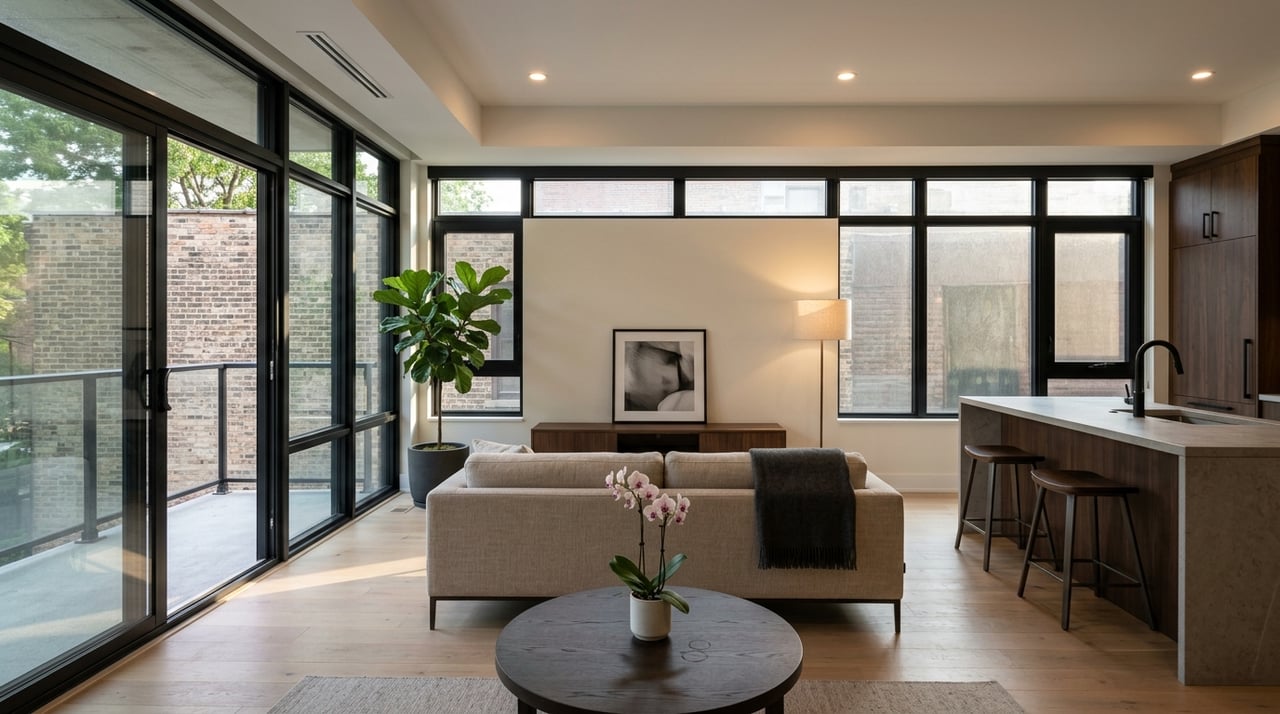
Bethesda Downsizing to Luxury Condo Living Guide
April 16, 2026
April 16, 2026
Thinking about trading a larger home for a luxury condo in Bethesda? You are not alone, and the move can be both exciting and complex. If you want less upkeep without giving up comfort, service, or a prime location, Bethesda offers a strong mix of full-service and boutique condo options. This guide will help you think through lifestyle, costs, timing, and due diligence so you can downsize with confidence. Let’s dive in.
Downtown Bethesda is especially appealing if your goal is to simplify daily life. The area connects shopping, dining, transit, trails, and parking in a compact urban core, which makes it easier to enjoy a walkable lifestyle without feeling cut off from the rest of the region.
According to the Bethesda Urban Partnership, the free Bethesda Circulator links the Bethesda Metro Station, multiple public garages, and 20 downtown stops. WMATA also notes that Bethesda Metro is within walking distance of Bethesda Row and the Bethesda Trolley Trail, and the station is being updated for a future Purple Line connection expected when service begins in 2027.
That convenience is part of why luxury condo inventory tends to cluster downtown rather than spread evenly across Bethesda. Montgomery Planning’s Bethesda Downtown Plan outlines a long-term vision for downtown as a major urban center focused on parks, open space, housing, and economic competitiveness.
When you move from a house to a condo, square footage is only part of the equation. In many cases, what matters more is how well the building supports the life you want next.
For many Bethesda downsizers, the top priorities are:
In luxury buildings, you are often paying for convenience and service as much as the residence itself. That can be a smart trade if your goal is to spend less time managing a property and more time enjoying where you live.
Bethesda’s luxury condo market is not one-size-fits-all. Some buildings lean full-service and traditional, while others feel more boutique and design-forward.
For example, The Lauren Residences was designed around high-end single-floor living, with features such as direct-access elevators, 9- to 10-foot ceilings, valet parking, concierge service, a fitness facility, a wine lounge, and a rooftop entertaining venue. The developer specifically describes the project as appealing to well-traveled 50+ buyers seeking simpler living in Bethesda.
Stonehall offers a smaller-scale luxury option with 46 two-bedroom residences and amenities that include a club room, community terraces, a community garden, and a porte cochere. If you like the idea of an amenity-rich building with a more intimate feel, this is a useful example of the kind of lifestyle Bethesda can offer.
Lionsgate reflects the classic full-service tower experience, with valet parking, a doorman, a 24-hour front desk, a fitness center, a clubroom, a rooftop terrace, and secure underground parking. For buyers leaving behind the responsibilities of a larger home, those services can feel like a meaningful quality-of-life upgrade.
Hampden Row represents the boutique, walkable side of the market, with concierge service, a fitness center, roof decks, a private lounge, and easy access to downtown restaurants, shops, trails, and Metro. If your version of downsizing includes being able to step out your door and enjoy Bethesda on foot, this type of location can be especially attractive.
One of the biggest adjustments for downsizers is shifting how housing costs are structured. In a house, many expenses are spread out over time and can feel less visible. In a condo, more of those costs are bundled into regular monthly dues.
That does not automatically make condo living more expensive. In many cases, dues cover services and shared expenses that replace some of the costs and responsibilities of owning a larger home, especially exterior maintenance and building operations.
Maryland’s consumer guide to condominium living reminds buyers that when you purchase a condo, you are buying both the unit and an undivided interest in the common elements. The guide also advises buyers to review the budget, examine reserves, compare assessments to services provided, and ask whether special assessments may be likely.
A simple way to think about it is this:
The right comparison is not just dues versus no dues. It is your current total cost of ownership versus your likely condo cost of ownership, plus the value you place on convenience and service.
Luxury condo dues can look high at first glance, but the number alone does not tell the whole story. A better question is what you are receiving in return and whether the association appears financially healthy.
Bethesda’s luxury buildings often include services such as concierge coverage, valet or doorman service, fitness spaces, roof decks, club rooms, parking, and on-site management. For many downsizers, that bundle is part of the appeal. You may be spending more in one visible monthly line item, but you are often spending less time and energy managing your home.
That said, not all dues are created equal. Maryland’s condo guide specifically advises buyers to compare assessments with the services provided and to ask about reserves, building condition, and the risk of special assessments if reserves are weak.
If you are selling a longtime home and buying a Bethesda condo, timing matters. It is not just about syncing move dates. It is also about planning for transfer taxes, recordation taxes, and first-year ownership costs.
Montgomery County notes that the county transfer tax is typically 1% of the selling price, and recordation tax rates are tiered. The county also notes that an $890 exemption may be available for owners of occupied residential property. These are details worth discussing early so your move plan reflects real closing costs, not just the purchase price.
There is also a tax issue that surprises many move-down buyers. Montgomery County states that the Homestead Property Tax Credit does not apply in the first year after purchase, and sellers must disclose the next year’s property tax to the buyer. In practical terms, the first-year tax bill on your new condo may be higher than you expect if you are looking at the current owner’s tax bill.
For owner-occupants, Montgomery County also offers an Income Tax Offset Credit, currently $692. The homestead application must already be on file with SDAT by May 1, 2026, to receive it on future bills, so this is another reason to stay organized after closing.
Condo document review should never be an afterthought. In Maryland, it is a key part of the buying timeline.
Under Maryland law on resale condominiums, the seller must provide documents at least 15 days before closing, including the common expense assessment, any unpaid common expenses or special assessments, the operating budget, and a reserve-study or reserve-fund status disclosure.
Those documents help you evaluate the association beyond the lobby and finishes. They can show whether reserves appear adequate, whether the building may be facing major repairs, and whether your monthly costs could change.
Before you commit to a luxury condo in Bethesda, it helps to narrow your priorities in writing. A short checklist can keep you focused when several attractive options are on the market.
Ask yourself:
Your timing decision should also reflect local market conditions. In February 2026, Bethesda remained a competitive market, with a median sale price of $1.505M, average days on market of 43, and a sale-to-list ratio of 101.3%, according to Redfin’s Bethesda housing market data.
Even at the top of the market, demand has been active. As one recent example, a penthouse at 8302 Woodmont Ave sold for $2.65M after 43 days on market on April 10, 2026, according to the same market source. For downsizers, that is a reminder that both your sale and your purchase may require a clear strategy.
The best downsizing moves usually start earlier than people expect. If you give yourself time to sort possessions, clarify your must-haves, and understand true ownership costs, you are more likely to choose a condo that supports your next chapter instead of simply shrinking your footprint.
A thoughtful plan also helps you evaluate tradeoffs with confidence. You may decide that paying for concierge service and covered parking is worth it. Or you may decide that a smaller boutique building with fewer amenities better matches how you want to live.
If you are considering downsizing to a luxury condo in Bethesda, working with an advisor who understands building differences, timing strategy, and the local market can make the process far more efficient. When you are ready to talk through your options, connect with Nelson Marban for tailored guidance on selling your current home and finding the right next fit.
Get assistance in determining current property value, preparing your property for sale, crafting a competitive offer, negotiating a contract, and much more. Contact me today.