Dupont Circle Rowhouse Living: Everyday Life Guide
February 19, 2026
February 19, 2026
Picture your morning starting on a brick stoop, coffee in hand, as the neighborhood wakes up around you. From there, you can walk to the Metro, grab produce at the farmers market, or meet friends for dinner without getting in a car. If you are drawn to architecture with character and a true city lifestyle, a Dupont Circle rowhouse delivers both. In this guide, you will see how daily life works here, what a typical rowhouse offers, and what to consider as you plan a purchase or sale. Let’s dive in.
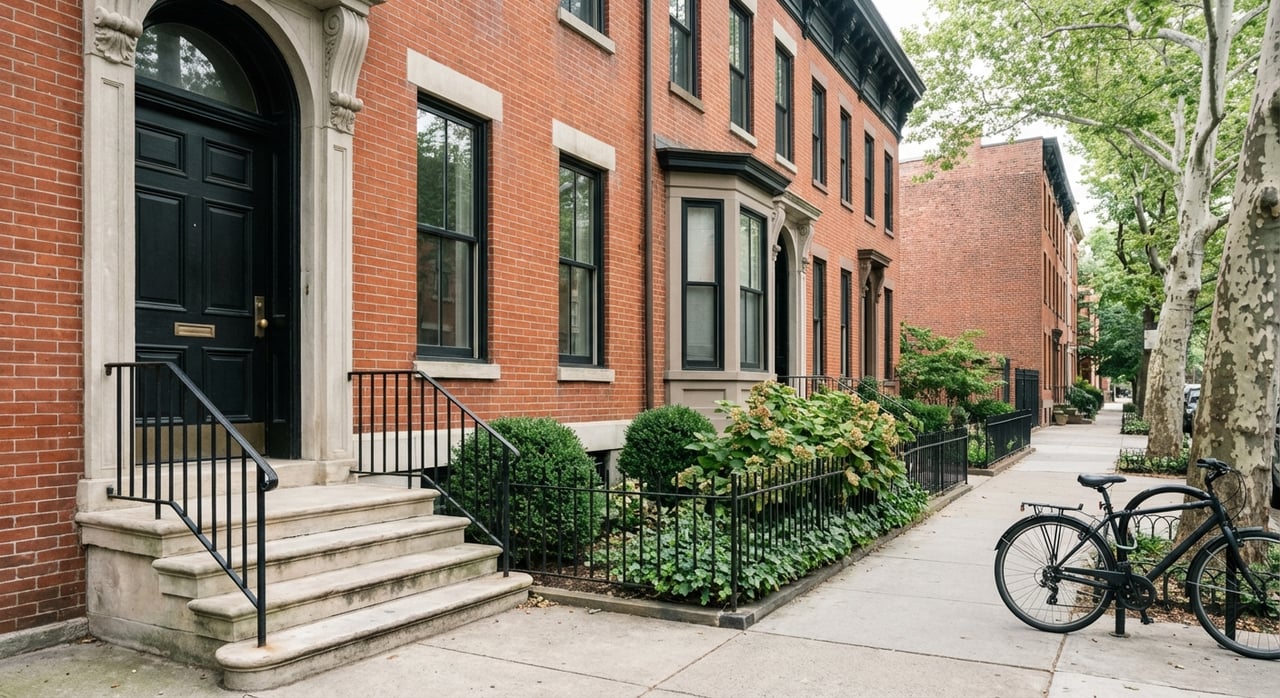
A classic Dupont rowhouse blends historic charm with modern updates. Many were built around the turn of the 20th century and show styles like Queen Anne and Richardsonian Romanesque, often with bay windows, stoops, and detailed cornices. Large swaths of the area are historic district, so you notice consistent streetscapes and distinctive façades throughout the neighborhood. You can read more about the neighborhood’s history and architecture in this overview of Dupont Circle’s historic fabric.
Most homes follow a narrow, multi level plan. Expect a raised parlor floor, tall ceilings, original wood trim, and fireplaces, with a lower English basement or garden level that may be finished as living space or a separate suite. Many properties have been modernized with updated kitchens, systems, and baths. Outdoor space is modest. Some homes have small rear patios or a garden lot off the alley. If you plan exterior changes and your home is in a protected area, visible alterations usually need review by the Historic Preservation Office and the Historic Preservation Review Board. Start with the HPO guidance page early in your planning.
Dupont Circle is as walkable as it gets. Central blocks score in the high 90s on Walk Score, which labels the area a Walker’s Paradise. That makes daily coffee, groceries, gyms, pharmacies, and dry cleaning easy to cover on foot. See the map view on Walk Score’s Dupont Circle page for a quick snapshot.
For commuting, the Red Line runs directly under the circle with north and south entrances at Q Street and 19th Street. It gives you quick access to downtown and transfers to other lines. Numerous bus routes and bike share docks add even more flexibility. If you are new to the area, the Dupont Circle Metro Station overview explains entrances and connections in clear detail.
Dining and nightlife radiate from the circle along Connecticut Avenue and 17th Street, with more options nearby on the 14th Street corridor. You will find long standing table service restaurants, cafe spots for a casual bite, wine bars, and small neighborhood pubs. Local guides like Eater DC’s Dupont picks track openings and reliable standbys.
On Sundays year round, the FRESHFARM market turns the neighborhood into a ritual stop for bread, produce, and people watching. If you want to preview the vendor mix and schedule, check the FRESHFARM Dupont Circle market update. The small park and fountain at the center of the circle serve as a meet up spot throughout the week, hosting chess games, gatherings, and public events. The National Park Service page on Dupont Circle provides helpful context on the site and its role in the city.
Living steps from great restaurants and bars brings energy and convenience. It can also bring late night crowds and occasional street noise, especially near the busiest commercial frontages. If you prefer quieter evenings, look a few blocks off the main corridors on more residential streets. The local Advisory Neighborhood Commission tracks curbside and parking issues tied to evening activity. You can browse past notes on the ANC’s parking page to get a feel for patterns.
Short blocks and varied building types create very different day to day experiences. Connecticut Avenue and the streets directly around the circle feel the most active with hotels, offices, embassies, and retail. Interior streets like R, S, and Swann are generally calmer and more residential in tone. The Massachusetts Avenue corridor hosts larger embassy buildings and mansions, while parts of the north sector include the Strivers’ Section, a defined historic subdistrict. Boundaries and civic maps from the neighborhood association offer a good orientation. See the Dupont Circle boundaries map to understand how locals define the area.
Market trackers report a neighborhood median sale price in the low to mid 500s when you include all home types. That median blends a large number of condos with higher priced rowhouses, which means it understates townhouse values. Median dollars per square foot for all types lands roughly in the 600 to 700 per square foot range.
Rowhouses trade in a higher band. Recent activity and local reporting show many single family townhouses closing in the low to mid seven figures, with renovated or larger historic homes reaching into the two to four million range and beyond. As a working framework, plan for these broad ranges when you evaluate options:
Always separate condo comps from townhouse comps. Block level differences and lot width can drive large price swings even within a few hundred feet.
Buying a historic rowhouse is rewarding, but it comes with rules and responsibilities. Here is what to plan for upfront:
Each profile should weigh tradeoffs like convenience versus crowds, move in ready versus renovation, and car ownership versus transit.
Start with coffee from a cafe on 17th Street, then walk five minutes to the Red Line for a quick downtown meeting. Midday, pick up a fresh baguette and flowers at the Sunday farmers market. Late afternoon, take a looping stroll past the circle’s fountain, where people are playing chess and friends gather before dinner. In the evening, meet neighbors at a small wine bar on Connecticut Avenue. Head home by foot to your stoop and settle in. This is city living that feels both vibrant and familiar.
Buying or selling a Dupont rowhouse is not just about the house. It is about the block, the historic context, and the details that drive value. A seasoned advisor helps you separate condo data from townhouse comps, understand HPO and zoning paths, and position your offer or listing for the best outcome. If you want block level insight, measured negotiation, and boutique level marketing, connect with Nelson Marban to start a tailored conversation.
Get assistance in determining current property value, preparing your property for sale, crafting a competitive offer, negotiating a contract, and much more. Contact me today.