Smart Capitol Hill Pre-Sale Upgrades for Rowhouses
February 5, 2026
February 5, 2026
Thinking of selling your Capitol Hill rowhouse and wondering which fixes will actually move the needle? You are not alone. Buyers love the neighborhood’s historic charm, but most also want turnkey condition, comfortable systems, and smart outdoor space. This guide shows you where to invest, how to respect historic rules, and how to prep efficiently so you can list with confidence. Let’s dive in.
Capitol Hill attracts buyers who value character and convenience. Many compare finishes and layout flow as closely as they compare location. You want your home to read as cared for, functional, and easy to move into.
These patterns vary by block, lot size, and recent comps, but the theme is consistent. Present a clean, reliable, well‑maintained home that honors its historic fabric.
A cosmetic refresh is often your best first dollar. Use neutral paint, tighten trim, repair plaster, and make surface fixes. Small visual wins help buyers focus on features, not flaws.
A targeted kitchen update usually delivers more appeal per dollar than a full renovation unless you are repositioning into a higher price tier. Consider new counters, cabinet paint or refacing, modern hardware, updated lighting, and contemporary appliances. Remodeling cost‑versus‑value studies consistently rank kitchen work among top resale performers.
Bring at least one bathroom to modern standards. Swap in a clean vanity, new tile or reglaze, refreshed fixtures, and bright lighting. The number and condition of baths often influences offers.
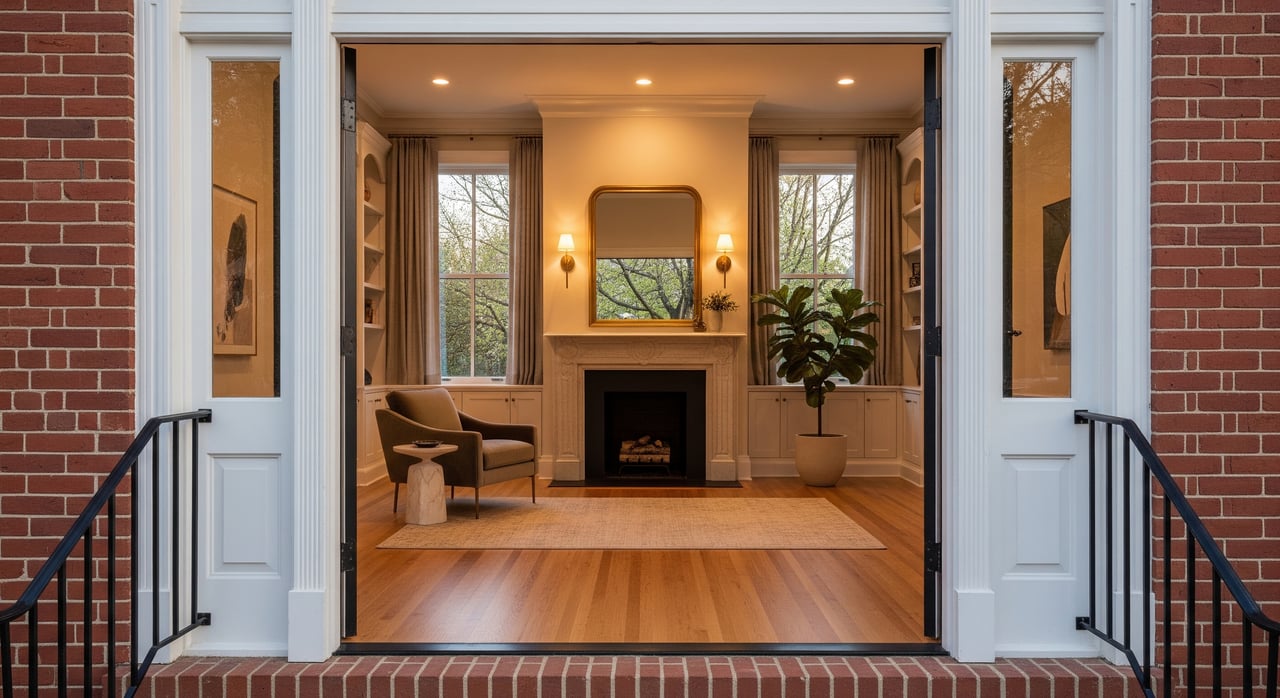
If you have original hardwood, restore it. Sand and refinish where possible and replace worn carpet with neutral flooring. Historic flooring, in good condition, is a buyer magnet.
Address electrical issues, HVAC reliability, hot water, roof leaks, and similar concerns. Buyers and inspectors often discount homes for deferred maintenance. Removing these bargaining chips can protect your sale price.
First impressions matter. Repair stoop steps, repaint or restore the front door, clean or repair ironwork, and add warm lighting. A tidy, planted stoop and clean facade invite buyers in.
In historic districts, restoration and storm windows often beat full replacement. You can improve comfort and efficiency while preserving street‑facing appearance that buyers appreciate.
Commission a pre‑listing inspection and address targeted fixes. You reduce buyer uncertainty and negotiation friction, which can shorten time on market.
Lower‑level living space can add usable square footage and value, but costs vary. Ensure waterproofing, code‑compliant egress, and proper permits. On Capitol Hill, older basements can need remediation, so budget carefully.
If your layout allows, an added half or full bath can be valuable. Review comparables to confirm that extra baths trade at a premium on your block. Plan for permitting and realistic timelines.
Where allowed, a professionally built roof deck with safe access can differentiate your listing. Historic and building reviews may limit visibility or require approvals, so assess feasibility early.
Rear bump‑outs or full floor additions can pay off in some cases, but construction cost, permit complexity, and potential loss of historic detail create risk. Model against block‑level comps before committing.
Bespoke choices only return value if your home clearly competes at a tier where those finishes are expected. Over‑improving for the block can reduce ROI.
If timing is tight or strategy is unclear, a heavy renovation may not serve you. You might net more by selling as‑is with price aligned to condition than by rushing an expensive project.
Much of Capitol Hill lies within a historic district. Exterior changes visible from the public way often require review by the Historic Preservation Office or the Historic Preservation Review Board. The Capitol Hill Restoration Society provides neighborhood guidance and examples.
Practical steps: consult historic staff early, favor repair and restoration of original features, and budget time for drawings, fees, and potential neighbor outreach. Early clarity saves time and stress later.
Use a simple decision framework to prioritize.
Inspection and systems: if the roof, structure, or major systems would fail a basic inspection, fix those first. Your future buyer will find them.
Kitchens and baths: if dated or nonfunctional, plan a focused refresh before market.
Cosmetics and staging: if paint, floors, or lighting drag down first impressions, schedule quick cosmetic work.
Larger moves: if you aim for a higher price bracket and can wait, explore bigger renovations, obtain approvals, and test against comps.
Typical timelines to plan around:
Choose contractors with Capitol Hill rowhouse experience. Narrow stairwells, party walls, and older plumbing or electrical present unique challenges that seasoned local crews handle well.
A pre‑listing inspection gives you choices. Fix issues, price accordingly, or disclose to reduce renegotiation later. For homes built before 1978, provide required lead‑paint disclosures. If you renovate, use firms certified under the EPA Renovation, Repair and Painting Rule. Confirm DC requirements for smoke and carbon monoxide detectors and other mandatory disclosures.
Stage to maximize light and flow. Declutter narrow passages, remove heavy drapery, and define each room’s purpose clearly. Highlight original mantels, moldings, and floors. Showcase stoops, rear yards, and any permitted deck or roof access as valuable living extensions.
Work with a local advisor to build a comp set from nearby blocks. Estimate how a kitchen refresh, added bath, or improved lower level trades in your micro‑market. Be conservative. Resale value rarely equals full project cost. Your goal is to maximize net proceeds after timelines, carrying costs, and stress.
Ready to sell with confidence on Capitol Hill? Let an experienced, neighborhood‑focused advisor help you plan the smartest path to market and negotiate for maximum value. Connect with Nelson Marban to map your upgrade plan, pricing, and timing.
Get assistance in determining current property value, preparing your property for sale, crafting a competitive offer, negotiating a contract, and much more. Contact me today.