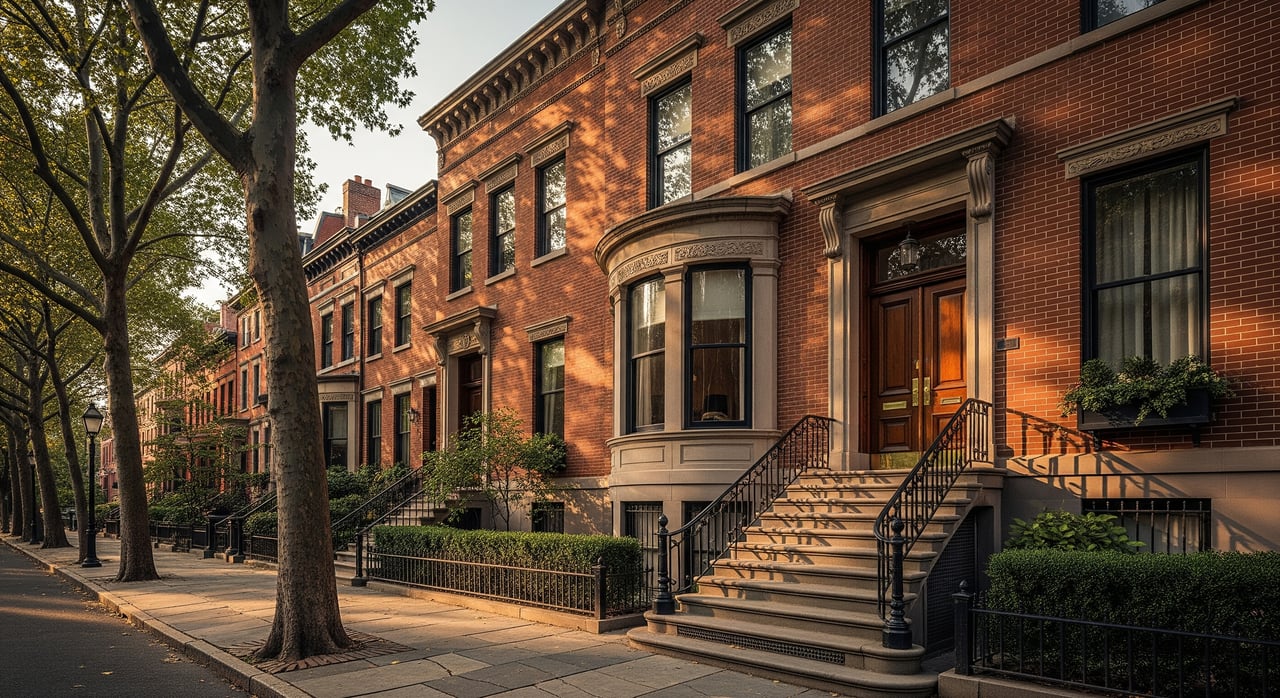
Love the look of classic DC rowhouses but not sure what makes a Dupont Circle Wardman special? If you appreciate craftsmanship and history, you want to know what you are buying, what to preserve, and what to budget for. In this guide, you will learn how to identify a Wardman rowhouse, understand typical layouts and materials, and spot renovation and permitting considerations in Dupont Circle. Let’s dive in.
Who Harry Wardman was
Harry M. Wardman was one of Washington’s most prolific early 20th-century developers. His teams built large numbers of rowhouses and apartments across central DC in the late 1890s through the 1920s. In Dupont Circle, what people call a “Wardman rowhouse” usually refers to homes built circa 1895–1925 that share construction methods, repeated floor plans, and recognizable details. The label is local and vernacular rather than a single architectural style.
Dupont Circle context and review
Most of Dupont Circle is within a designated historic district. Exterior changes visible from the street often require review by the DC Historic Preservation Office and, for significant alterations, the Historic Preservation Review Board. This review shapes choices for windows, stoops, roofs, and other façade elements. The neighborhood’s street grid, narrow lots, and proximity to commercial corridors help keep Wardman houses in high demand.
Exterior hallmarks
Form and massing
- Rows of attached brick houses, generally 2½ to 4 stories above a raised or English basement.
- Narrow lot widths, often about 15–20 feet, creating a strong, rhythmic streetwall.
- Flat roofs with parapets are common; some have low-pitch roofs hidden behind the cornice.
Façade styles and details
- Eclectic mix of Colonial Revival, Georgian Revival, and late Victorian or Romanesque touches.
- Pressed red or buff brick with accents of brownstone, limestone, or terra-cotta at sills and lintels.
- Projecting bay windows on parlor and upper floors that bring in light and add depth.
- Decorative cornices, paneled wood doors with transoms, and raised masonry stoops with metal railings.
Windows, doors, and cornices
- Original wood double-hung sash windows, often 2-over-2 or 1-over-1, where intact.
- Solid wood front doors, sometimes with transoms and sidelights.
- Cornices, parapet coping, and chimney flashings need periodic inspection for deterioration.
Interior layouts and features
Floor plans that work
- Side-hall and center-hall plans both appear, with stairs often placed to one side to maximize narrow widths.
- Typical arrangement: English basement for service or utilities, raised parlor level for formal rooms, bedrooms on upper floors, and attic or roof access above.
- Larger homes may include a secondary stair and smaller upper rooms typical of early 20th-century layouts.
Character-defining finishes
- High parlor-level ceilings, often 10–12 feet, with plaster crown moldings and picture rails.
- Hardwood floors, pocket doors between formal rooms, and period mantels and trim.
- Many homes have modernized systems, since original mechanicals were minimal by today’s standards.
Typical sizes
- Sizes vary widely. Smaller homes can be under 1,500 square feet, while larger ones reach 2,500–4,000+ square feet. Width and number of stories drive square footage.
Craftsmanship and common issues
What to preserve
- Load-bearing brick walls with wood-framed floors and joists.
- Original lime-based mortar, which is important to match during repointing.
- Decorative woodwork, plaster, and period mantels that show high-quality millwork.
What to inspect
- Masonry: cracking, failing mortar, or past repointing with hard Portland cement that can cause brick spalling.
- Water intrusion: moisture in basements or at stoops; check grading, drains, and sump systems.
- Structure: settlement, joist rot, or cuts in beams from past utility work.
- Hazard materials and aging systems: lead paint, older wiring, and outdated plumbing.
- Energy performance: limited insulation and thermal bridging; window repair and appropriate upgrades may help when permitted.
- Rooflines: cornices, parapets, and chimneys often need flashing and maintenance.
Market drivers in Dupont Circle
Why buyers pay attention
- Prime location near Metro, culture, embassies, dining, and major job centers.
- Historic character with high ceilings, period detail, and practical floor plans.
- Scarcity of intact rows relative to demand for historic urban homes.
- Renovation upside when modern systems and layouts are paired with preserved character.
Renovation expectations
- Many buyers plan for system upgrades in electrical, HVAC, and plumbing.
- Restorations that follow preservation standards tend to support resale.
- Costs can run higher due to specialized trades for masonry, plaster, and millwork.
Regulatory factors
- Exterior changes visible from the street usually require HPO or HPRB review.
- Community input through the Advisory Neighborhood Commission can shape project outcomes.
Renovation and permits
Permits and reviews
- Exterior work in the historic district often requires DC Historic Preservation Office review, and some projects go to the Historic Preservation Review Board.
- Structural, electrical, plumbing, and mechanical work requires permits through the DC Department of Buildings.
Preservation best practices
- Repair rather than replace when feasible, especially windows and trim.
- Use compatible materials, such as lime-based mortar for repointing.
- For windows, consider repair with interior storms or historically appropriate replacements when approved.
- Concentrate new kitchens and baths in less character-defining areas to preserve parlor-level features.
Costs and timelines
- Expect significant investment in modernizing systems inside finished plaster walls and tight cavities.
- Masonry repointing, cornice repair, and roof work are typical and cost-intensive.
- Plan a contingency for hidden structural issues, moisture, or hazardous materials uncovered during work.
Incentives to explore
- A federal 20 percent historic rehabilitation tax credit may apply to income-producing projects.
- Local tax credits or grants sometimes support preservation or energy improvements. Programs change, so verify current criteria with District agencies.
Buyer and owner checklist
Use this quick checklist during your first walk-through and when scoping inspections or bids.
Exterior and site
- Is the façade original brick or altered? Note brick color, type, and bonding pattern.
- Check mortar condition. Hard, Portland-cement repairs can damage historic brick.
- Inspect cornices, parapets, and chimneys for missing pieces, sagging, or open flashing.
- Evaluate stoops for settlement, cracking, or loose railings.
- Assess windows. Are original wood sash intact, repaired, or replaced with vinyl or double-glazed units?
- Review roof and drainage: flashing, gutters, downspouts, and any ponding on the roof membrane.
Interior and systems
- Look for signs of moisture in the basement or garden level: efflorescence, staining, or musty odors.
- Note original features: mantels, moldings, plaster ceilings, and pocket doors.
- Review mechanical systems: age of furnace or boiler, ductwork routing, electrical service size, and any knob-and-tube wiring.
- Check floors and stairs for sagging or racking that may indicate joist issues.
- Ask about insulation upgrades, wall retrofits, and window performance.
Preservation and regulatory
- Confirm whether the property sits within the Dupont Circle Historic District.
- Verify permits and approvals for any prior exterior work.
- Check for covenants, easements, or landmark status that may affect changes.
Costs and timelines
- Obtain comparable estimates for system replacements, masonry repointing, window repair, kitchen and bath updates, and structural corrections.
- Budget time for HPO or HPRB review and permitting.
Professional team
- Line up an architect with historic district experience, a preservation-minded mason, a structural engineer, licensed MEP contractors, and a permit or preservation consultant when needed.
How I help in Dupont Circle
Buying or selling a Wardman rowhouse calls for local expertise, careful planning, and a network that understands historic homes. I help you identify authentic features, evaluate renovation scope, and navigate preservation review so you can move with confidence. Sellers benefit from polished marketing and targeted exposure that respects a home’s character while reaching the right buyers. Buyers gain curated search, private and off-market access through a boutique luxury platform, and measured negotiation to secure the right house at the right terms.
If you are ready to explore Wardman rowhouses in Dupont Circle or want a tailored valuation of your home, connect with Nelson Marban for a conversation.
FAQs
What defines a Wardman rowhouse in Dupont Circle?
- Locally, it describes early 20th-century brick rowhouses built by Harry Wardman’s teams that share construction methods, repeated floor plans, and recognizable details.
When were Wardman rowhouses built?
- Most in Dupont Circle date from about 1895 to 1925, during the shift from Victorian to Colonial and Georgian Revival styles.
Do I need approval to change windows or the stoop?
- Exterior changes visible from the street in the historic district often require DC Historic Preservation Office review and sometimes Historic Preservation Review Board approval.
Are English basements rentable as separate units?
- Conversion depends on zoning, building-code egress, and permits; you must confirm requirements with District agencies before planning work.
How urgent are masonry and mortar repairs?
- Timely. Failing mortar, improper past repointing, or flashing issues can let in water and accelerate brick decay, so early attention reduces long-term costs.
Will historic designation hurt resale value?
- In Dupont Circle, preservation oversight helps maintain neighborhood character and can support values, though it adds design, review, and permitting steps.